Laminated glass in London, for when it has to hold together
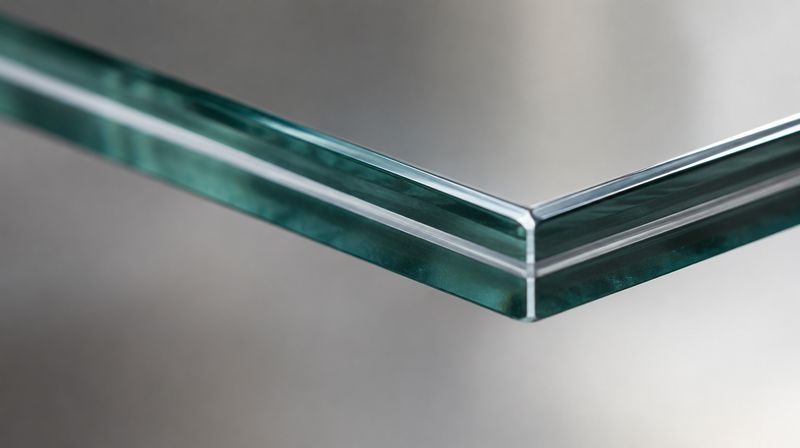
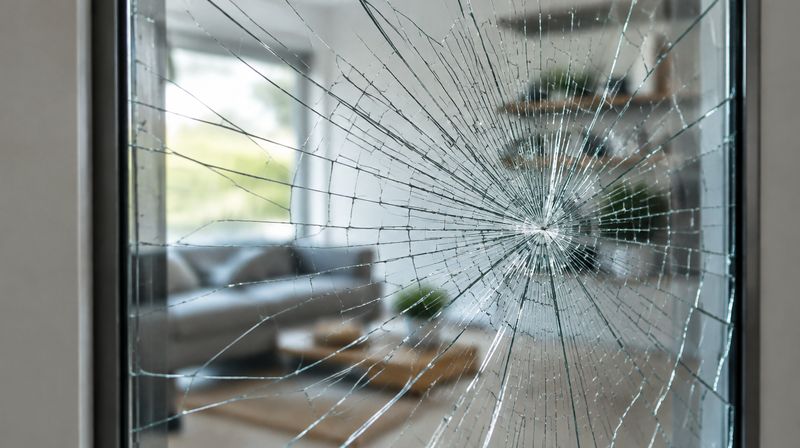
Two panes bonded to an interlayer, so a broken pane stays in its frame. The glass to specify for traffic noise, for security, and for anywhere a falling pane would be the real problem.
The people who survey, make and fit the work. Our own teams and our own workshop at 6 Atlas Road, Wembley HA9 0JH.
Our own workshopGlass cut, processed and made up in Wembley HA9 — not bought in
FENSA registeredInstallations registered for building regulations compliance
Surveyed, not estimatedWe measure on site before anything is made
Local to LondonMon–Fri 8am–5pm · Wembley workshop
What we do
What laminated glass is for
Laminated glass costs more than toughened and is worth it in four specific situations. Outside those four, toughened is usually the better value, and we will say so.
Acoustic laminated glass
A damping interlayer between the panes absorbs sound energy, particularly in the speech and traffic range. The single most effective glazing change on a noisy road.
Acoustic PVB interlayers
Asymmetric pane thicknesses
For roads, rail and flight paths
Security & anti-intrusion glass
Thicker and multiple interlayers resist repeated impact, holding the opening long after the glass has cracked. Graded by tested performance, not by description.
Tested to BS EN 356
P1A upwards
Ground floor and accessible glazing
Overhead & rooflight glazing
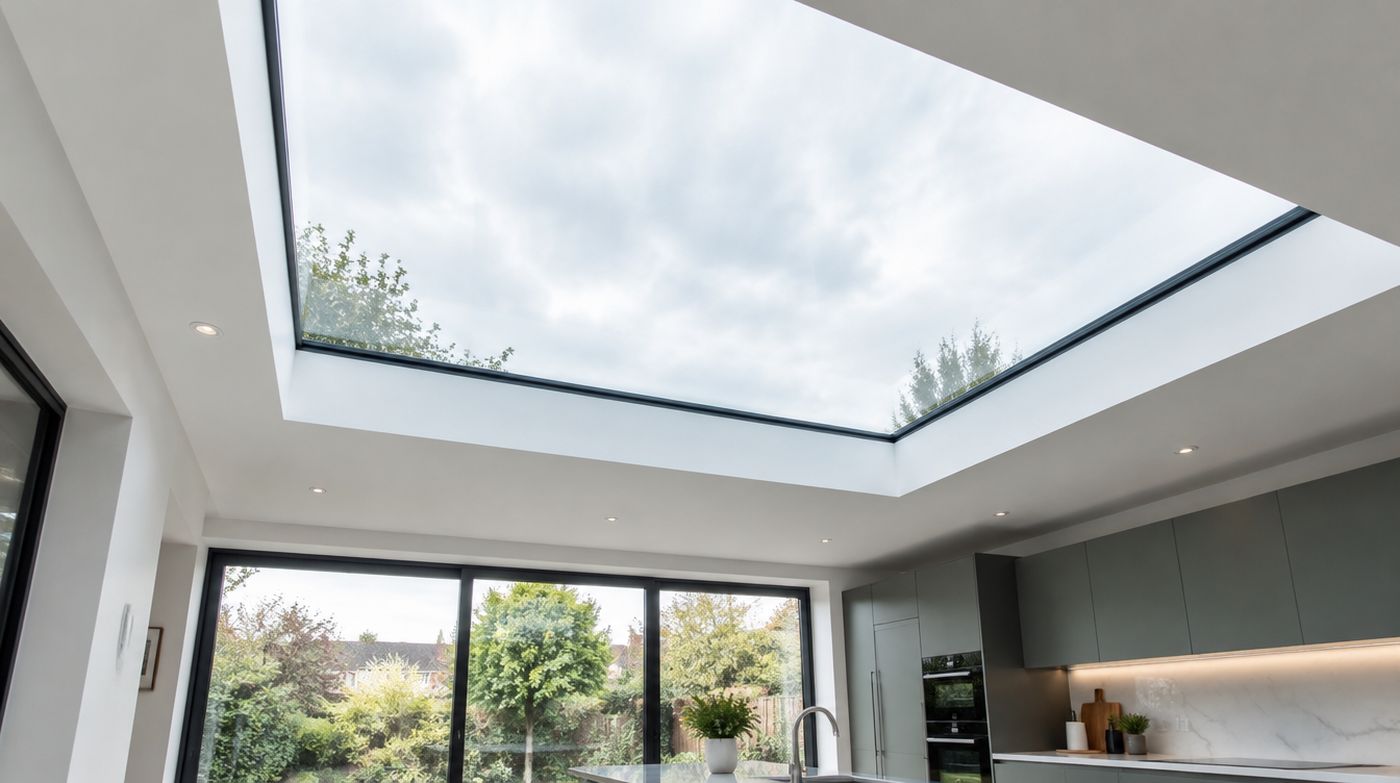
Where glass is above people, the inner pane must be retained if it breaks. Laminated is effectively the only answer and is what building control expects to see.
Retained on breakage
Rooflights and canopies
Specified with the build-up stated
Barrier & balustrade glass
Toughened laminated glass for barriers, so the panel keeps containing people after a breakage rather than disappearing.
Toughened laminated build-ups
To BS 6180 loading
Holes made before toughening
Solar control & UV
Laminated interlayers block the great majority of UV, protecting floors, fabrics and artwork. Solar control coatings can be combined for heat as well as light.
High UV rejection
Solar control options
Shopfronts and galleries
Laminated glass cut to size
Unlike toughened, laminated glass can be cut after manufacture, so sizes are more forgiving and lead times shorter.
6.4mm to 21.5mm
Polished edges
Collection or delivery
The work
What it looks like done properly
Illustrative images of the systems described above. Specification and finish are confirmed in writing with your quotation.
What laminated glass actually solves, and what it does not
Almost everyone who rings us about laminated glass in London wants one of four things: a quieter bedroom, a window that cannot be put through in half a minute, glass overhead that will not come down on anybody, or a barrier that an inspector will sign off. Those are four separate problems with four separate specifications, and the pane that solves one of them properly is often the wrong pane for another. We make all of it in our own workshop in Wembley, which means the conversation can start with the problem you have rather than the stock we happen to be sitting on.
Laminated is not a quality grade. It is a way of building a pane: two or more sheets of glass bonded to a plastic interlayer under heat and pressure, so that when the glass breaks the pieces stay stuck to the interlayer instead of leaving the opening. Every useful property follows from that single fact. Sound damping, resistance to attack, overhead retention and barrier performance are all variations on glass that stays where it was put.
The four jobs, and why each one needs a different pane
Noise
Acoustic laminated glass uses a softer, more damping interlayer than the standard sort, and it works best when the two sheets are deliberately different thicknesses rather than a matched pair. That is the easy part. The hard part is that sound arriving in a London bedroom almost never arrives only through the glass, so a pane that measures well in a laboratory can make very little difference in a real room. We will not quote an acoustic upgrade without seeing the window, the frame and the wall around it, and the reasons are set out in full on our acoustic laminated glass page.
Security
Security laminated glass is graded by test, not by adjective. BS EN 356 covers both the lower classes, where a heavy steel ball is dropped onto the pane from increasing heights, and the higher classes, where a machine strikes the glass repeatedly with an axe and the pane is rated on how many blows it takes to make an opening. A class tells you what the glass survived. A phrase like ‘toughened security glass’ tells you nothing at all, because toughened glass is not a security product: it is strong until it fails, and when it fails the whole pane turns to crumbs and the opening is clear. Anybody quoting you toughened glass for security has either misunderstood the product or is hoping you have.
Overhead
Anything glazed above head height is judged on what happens when it breaks, not on how strong it is while intact. Rooflights, lantern side panes, canopies, glazed links, internal glass floors and walk-on panels are all expected to retain their fragments, which in practice means laminated on the lower leaf so a failure leaves a sagging pane rather than a shower of glass. Building control officers in London look for this on almost every flat-roof rooflight and side-return extension that crosses their desk.
Barriers
Glass used as a barrier is structural. It has to carry the loads in BS 6180, it has to behave safely if it cracks, and in most residential positions that means laminated, because a laminated panel with a broken outer leaf still stands up and still stops somebody falling. Juliet balconies, stair balustrades, mezzanine edges and floor-to-ceiling glazing with a drop behind it all fall into this group, and the thickness is a calculation rather than a preference.
The interlayer is the product; the glass is only the glass
There are three families of interlayer worth knowing about. Standard PVB is the default: it bonds well, it retains fragments, it blocks almost all ultraviolet light and it is what you get in a basic laminated safety glass pane. Acoustic PVB is a softer, layered version of the same material, designed to deform and dissipate sound energy as heat instead of passing the vibration straight through. Stiff ionoplast interlayers go the other way, behaving much more like structural glue, which makes them the choice for barriers and walk-on glass where the panel has to stay rigid after a break. Stiffer is better structurally and worse acoustically. You cannot have both in the same interlayer, which is why the specification depends entirely on the job.
Nominal thicknesses tell you the make-up if you know how to read them. A 6.4 is two 3mm sheets with a 0.38mm interlayer. A 6.8 is the same glass with a thicker 0.8mm interlayer. An 8.8 is two 4mm sheets, an 11.5 is two 5mm sheets with a 1.5mm interlayer, and a 13.5 is two 6mm sheets. When a quote says only ‘laminated’, you do not know what you are buying. Ask for the make-up in that notation and the interlayer type, and compare quotes on that basis.
Where we tell people not to bother with laminated glass
Laminated is the wrong answer more often than our competitors admit. Internal door panels and screens in critical locations need Class A safety glass, and toughened does that job for less money. Shower screens and bath screens should be toughened, not laminated, because of how they are fixed and how they have to behave in a wet enclosure. Shelves, splashbacks and table tops are toughened jobs. Replacing a pane in a single-glazed window on a quiet residential street with an acoustic laminate will cost you real money and change very little, because there was not much noise coming through it in the first place.
The most expensive mistake we see is acoustic glass fitted into a window that was never the problem. If the noise is coming through an open trickle vent, a letter plate, a worn meeting rail, an extract fan or the gap under a front door, new glass is money burned. In a conservation area with original sashes, well-fitted secondary glazing on a deep air gap will usually outperform any replacement pane you can get into the existing frame, and we will say so even though it is the smaller sale. And no glass upgrade fixes footsteps from the flat above, because that is structure-borne and travels through joists, not air.
What separates a good laminated installation from a bad one
Laminated glass fails at its edges. The interlayer is a polymer sandwiched between two sheets, and if the edge sits in standing water for long enough, moisture creeps in along the bond line and you get a cloudy, feathered haze working inwards from the perimeter. That is delamination, and it is almost always a drainage or sealant problem rather than a glass fault. Exposed-edge positions, frameless screens, bottom-fixed balustrades, planted glazing bars and shallow putty rebates are the places it shows up.
So the detailing matters as much as the pane. Rebates and shoes need to be drained and ventilated so water leaves rather than sits. Setting blocks must hold the glass clear of the frame so there is no glass-to-metal or glass-to-concrete contact. Edge cover has to be deep enough for the thickness. Sealants must be compatible with the interlayer, because the wrong chemistry attacks the bond directly. These are not refinements. They are the difference between a pane that lasts decades and one that goes hazy in three winters.
If a quote for laminated glass does not state the make-up, the interlayer type and, for security or barrier work, the standard it is tested to, it is not a specification. It is a price with a word attached.
How much should laminated glass in London cost?
We survey free of charge anywhere in London and quote a written fixed price against a stated specification. Because we laminate and cut in Wembley rather than buying finished panes in, we can produce laminated glass panels cut to size to a site measurement taken after the opening is actually open, and we can adjust a pane that needs trimming. That flexibility is specific to laminated: toughened has to be cut, drilled and notched before it is heat treated and cannot be touched afterwards, so a toughened mistake is scrap and a laminated one is often a recut.
When you compare quotes, compare these things rather than the bottom line.
The glass make-up in full, for example 6.8 acoustic laminate or 11.5 laminate with a stiff interlayer, not just the word laminated
The interlayer type and whether it is standard, acoustic or ionoplast
For security work, the BS EN 356 class and whether it was achieved on drop-ball or axe testing
For barriers, the loading in BS 6180 the panel has been designed for and who did the calculation
Who removes and disposes of the old glass, and whether access equipment or extra labour for weight is included
What paperwork you get at the end, including the declaration of performance for the laminated glass and the safety marking on the pane
One last piece of honesty. Laminated glass is heavy, roughly 2.5kg for every square metre per millimetre of glass thickness, so an 11.5mm pane in a decent-sized window is a genuine two-person lift and sometimes a four-person one. If a quote for a large laminated pane in a third-floor flat looks suspiciously cheap, the labour and access have probably been left out, and that is the part that turns up as an extra on the day.
How it works
From first call to finished job
Four stages, and we tell you where you are at each one.
The problem first
Noise, security, an overhead opening or a barrier. The problem decides the interlayer, and the interlayer is most of the cost.
Specification
Pane thicknesses, interlayer type and count, and the standard it is tested to, all written into the quotation.
Cutting
Cut and edged in Wembley. Laminated can be cut after manufacture, which is why a remake here is days rather than weeks.
Fit or collect
Fitted by our own teams, or collected from HA9. Laminated glass is heavy, so we will tell you what you are lifting.
Specification
The detail, in writing
Every quote states the glass build, the standards it is made to and the hardware. If a quote you are comparing does not, that is worth asking about.
Acoustic interlayers that genuinely cut traffic and rail noise
Security grades tested to BS EN 356
Retained on breakage — the specification for overhead glazing
Cut to size after lamination, unlike toughened glass
HA9
Laminated stock is cut and edged on Atlas Road in Wembley, so a build-up change is days rather than a new factory order.
Standard specification. Project-specific details are confirmed in your written quotation.
Item
Specification
Standard
Laminated to BS EN 14449. Classified as safety glazing under BS 6206 Class A at the appropriate build-up, and impact tested to BS EN 12600.
Common build-ups
6.4mm (3mm/0.38/3mm), 6.8mm, 8.8mm, 11.5mm and thicker. The first figure is total thickness; the middle number is the interlayer in millimetres.
Acoustic performance
An acoustic interlayer typically improves sound reduction by a few decibels over a standard laminate of the same thickness. Asymmetric panes help further, because two different thicknesses do not resonate together.
Security grades
Tested to BS EN 356, P1A through P5A for impact and higher grades for manual attack. A grade is a tested result; a description like toughened security glass is not.
Weight
Roughly 2.5kg per square metre per millimetre of glass. An 11.5mm laminated pane of 1.5 by 2 metres is around 85kg, which changes how it is handled and sometimes what can be fitted.
Can be cut
Laminated glass can be cut and edged after manufacture. Toughened laminated cannot, because the toughening comes first.
FAQ
Common questions
Will laminated glass stop traffic noise?
It will reduce it noticeably, and it is the most effective single change you can make to glazing on a noisy road. It will not make a room silent. Sound also comes through the frame, through trickle vents, around the reveals and through the wall itself, so glass alone takes you part of the way. Anyone promising silence is overselling.
Laminated or toughened?
Toughened is stronger and cheaper and is right for most door and window glazing. Choose laminated when the glass must stay in place after it breaks: overhead, in a barrier, in a security position, or where a falling pane would be dangerous. For noise, laminated with an acoustic interlayer is the only one of the two that helps.
Is laminated glass the same as the glass in a car windscreen?
The principle is the same, two panes bonded to an interlayer so the glass stays together. Building glass uses different interlayers and thicknesses chosen for the application, and is tested to construction standards rather than automotive ones.
Can laminated glass be cut to size?
Yes, which is one of its practical advantages. It is cut by scoring and breaking both panes and then separating the interlayer. Toughened laminated glass is the exception: because the panes are toughened before lamination, the finished panel cannot be altered at all.
Does laminated glass stop fading?
It blocks the great majority of ultraviolet light, which is the main cause of fading in fabrics, flooring and artwork. It does not block visible light or heat, so a south facing room will still get hot and bright. If heat is the issue you want a solar control coating as well.
Is it worth it for a ground floor flat?
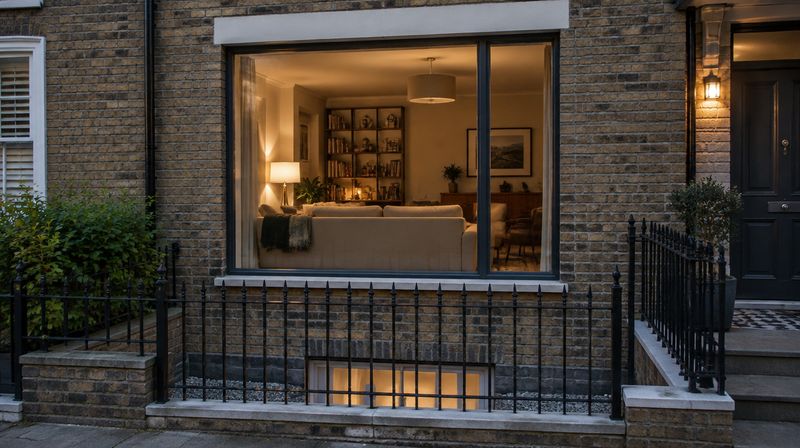
Often, yes, and for two reasons at once. A laminated pane resists being broken through rather than just broken, which is a real deterrent, and the same pane deals with street noise. Where one pane solves two problems the economics usually work.
In detail
Read up before you buy
A page on each part of what we do, written to answer the question properly rather than to sell.